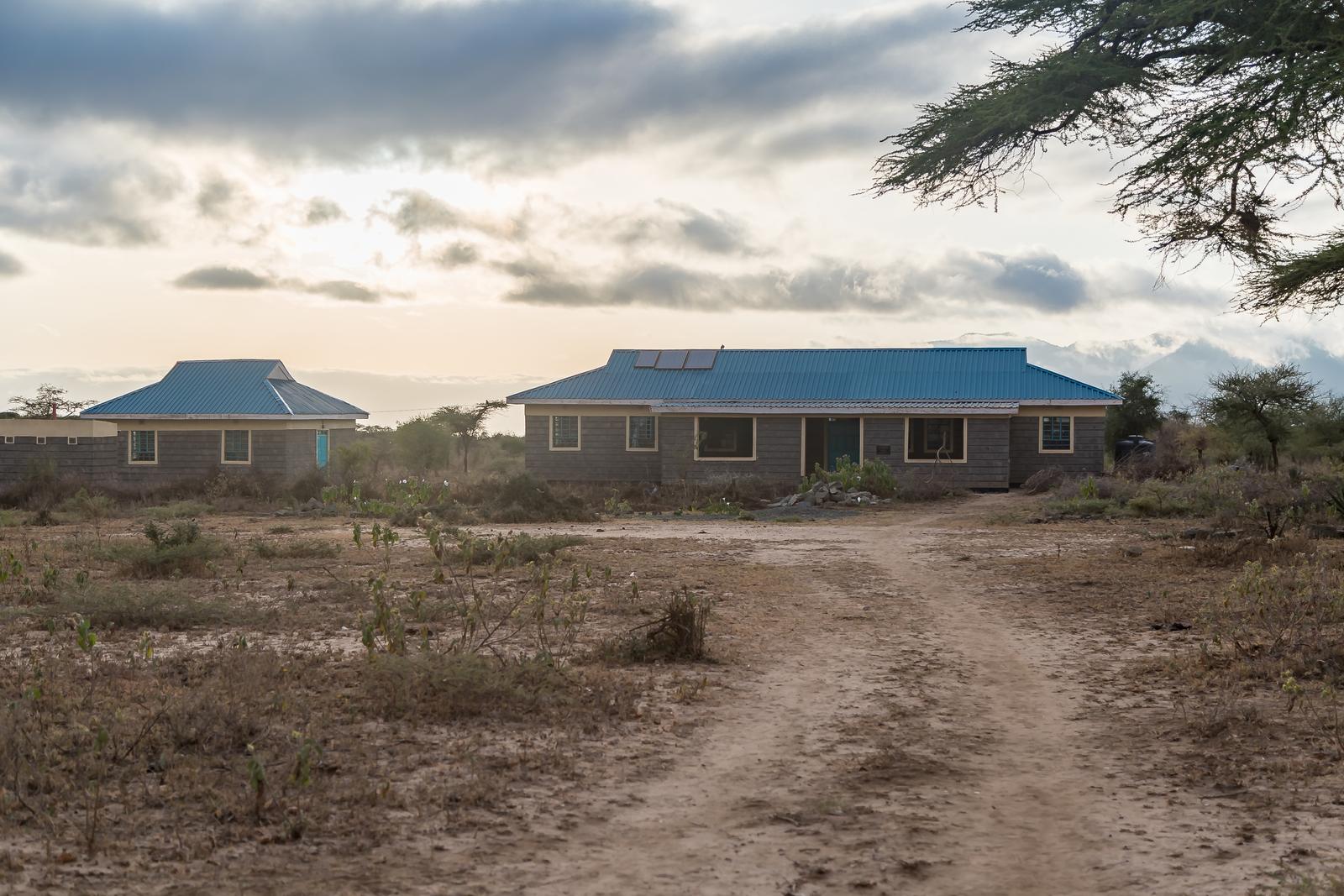
Empukani Medical Clinic
The clinic has served this community since 2016. A major renovation now underway will let it serve more people, and serve them better.
Why now
Kenya Power has reached the Empukani Medical Clinic.
For the first time, there is grid electricity in the village. That single fact changes what a clinic here is capable of.
Electricity is required for proper lighting, refrigeration, sterilization, water filtration, compressed air, suction, blood analyzers, ultrasound, dentistry and most modern medical instruments. Until now, the ceiling on care at Empukani was not the staff and it was not the will. It was infrastructure.
So we are renovating while the opportunity is in front of us.
The standard
God did not create any third world citizens.
If a standard of care is possible anywhere, it can be possible here. That is the reason for every line on the renovation list.
It means treated water, reliable power, proper sanitation, sterilization, medicine kept cold, and somewhere decent to live for the people who deliver the care. Not the minimum a rural clinic can get away with. What we would want for our own families.
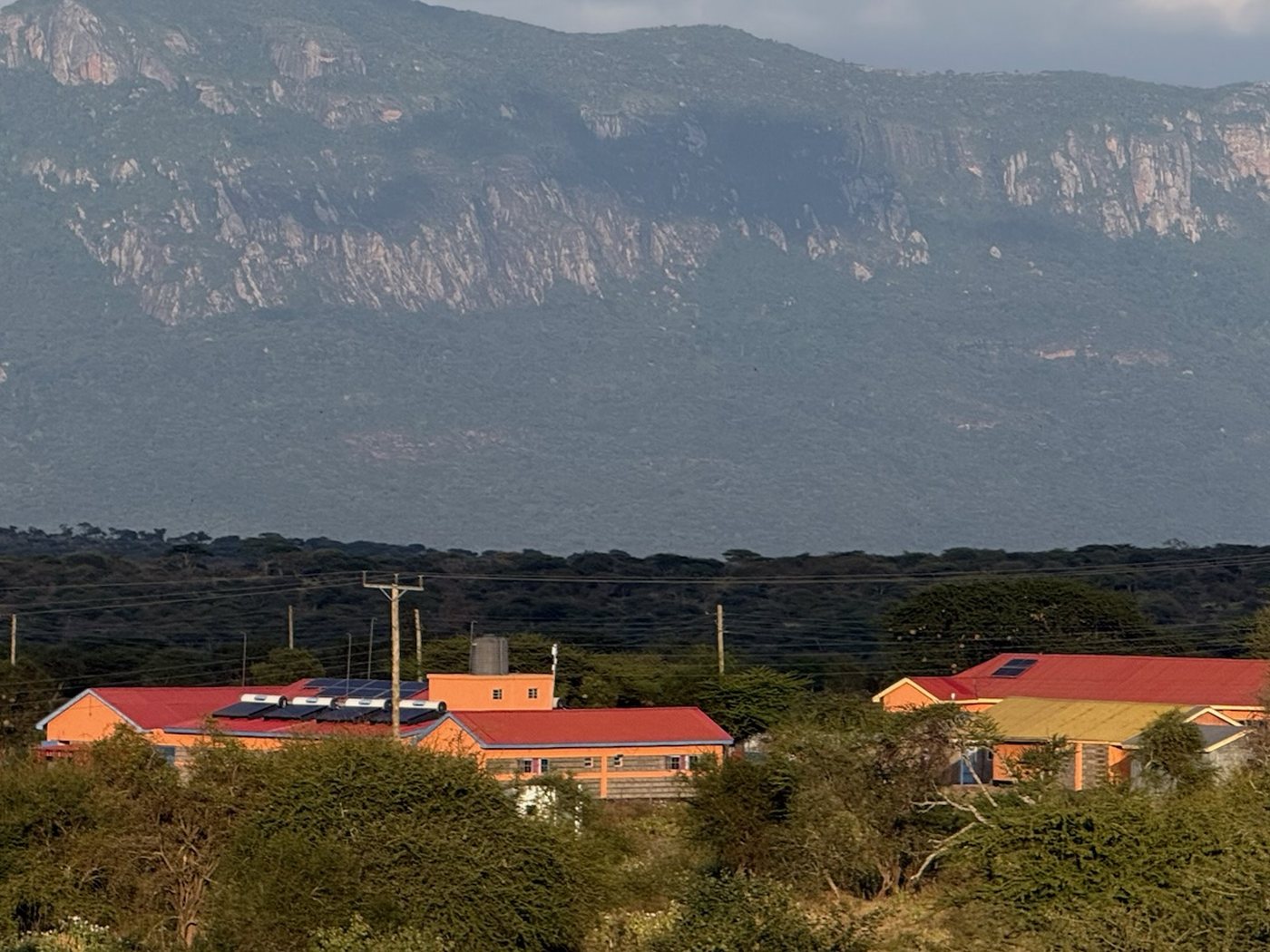
The clinic has served this community since 2016 and is licensed as a Faith Based Level 3B Health Centre. Grid power has reached the village. The renovation is funded to the extent it has been raised and is underway. Equipment is committed by a partner organization. Empukani is not standing still, and it is not going backwards.
The renovation
What the work includes.
This is a major undertaking. Each piece of it raises what the clinic is able to do.
Power
- Electrical wiring throughout the clinic, connected to the new Kenya Power supply
- A backup generator, so care does not stop when the grid does
Clean water & sanitation
- A reverse osmosis treatment plant, 500 liters an hour, to treat the well water
- A septic system
- Plumbing throughout
The building
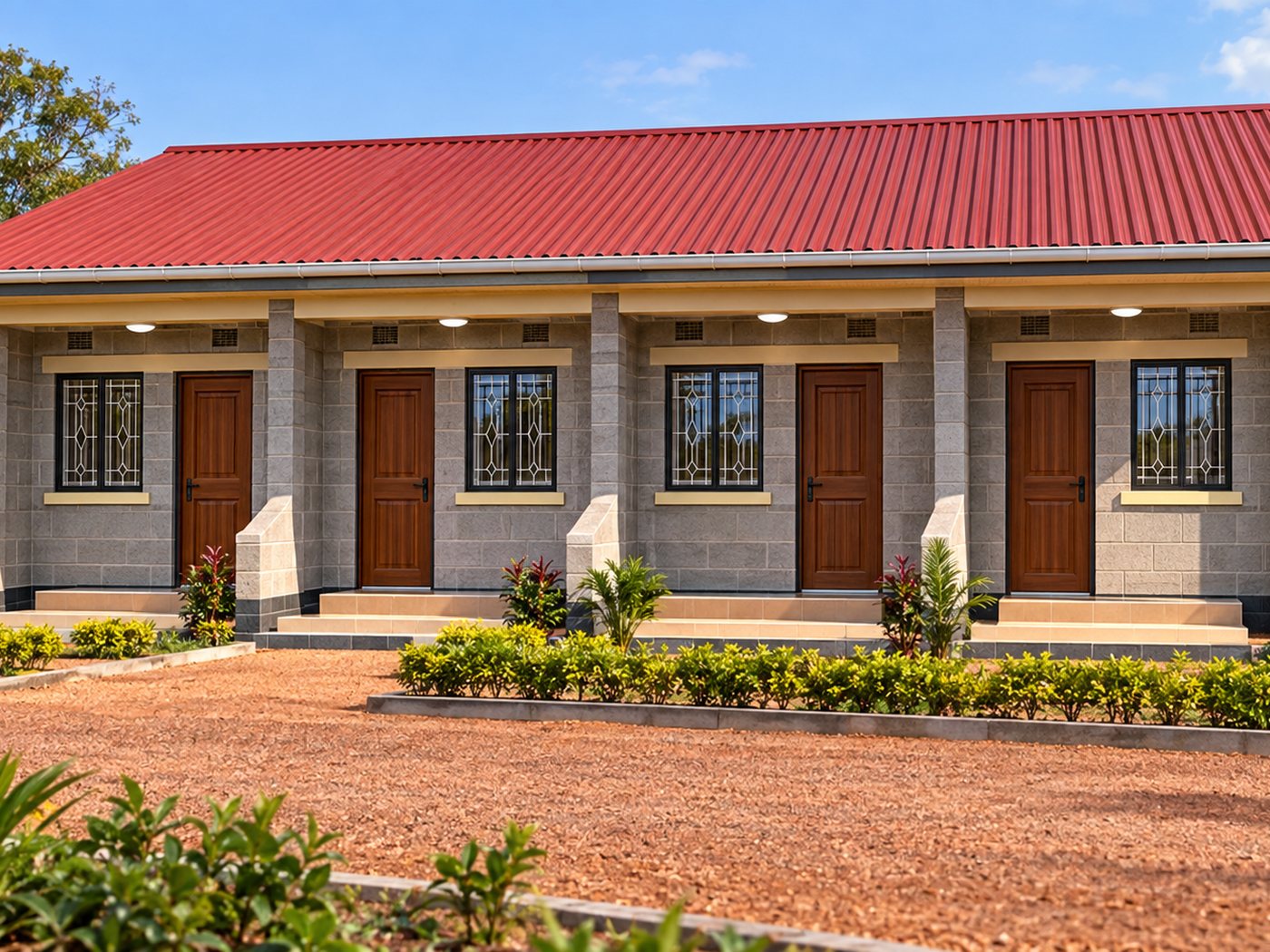
- Physical improvements to the existing structure
- Bathrooms and showers
- Washing machines
- Staff housing, so the clinic can attract and keep qualified medical staff
Water that is clean enough to treat people with
The well at Empukani ended a much older problem. But water drawn from the ground is not the same thing as water fit for a clinic: for wounds, for instruments, for a maternity room, for hands between patients.
A reverse osmosis plant treats what the well already provides. It is an unglamorous line item and one of the most consequential on this page.
Staff housing is not a luxury
A clinic that can house its staff is a clinic that can recruit and keep qualified people, and one where someone is present when a family arrives at night. Bathrooms, showers and washing machines belong in the same category. They are what make a rural clinic somewhere a trained professional will actually stay.
What changes
What the clinic will be able to do.
Modernizing the Empukani Medical Clinic lets our staff use tools and equipment that improve diagnosis and treatment, and it greatly improves medical safety.
Diagnose on more than symptoms
Blood analyzers, ultrasound and monitoring machines all run on electricity. With them our staff can work from evidence rather than from symptoms alone.
Treat people safely
Purified water, sterilization, machine washing, better lighting and new flooring. A patient never sees any of it, and all of it is the difference between treating someone and treating someone safely.
Dentistry, for the first time in the region
Compressed air and suction make dental work possible here. Nobody in this area has had access to it.
A place visiting specialists can work
Once the building meets the standard, we can host specialists from elsewhere in Kenya and from the United States.
What it costs
$200,000 to do it properly.
That is our current estimate for the whole renovation, built from real quotes and broken out below.
The figures come from real quotes and they are still moving. The most recent quotes added a new roof, which the building needs to be code compliant, so the budget now carries a contingency against the lines that run over. If it is not needed, it goes into the work.
It is the largest single project Mission Maasai has taken on. It is also a one-time cost against a permanent gain: wiring, water treatment, sanitation and housing do not need to be bought again next year. They raise the ceiling on what this clinic can do, and then they stay raised.
Gifts of any size go to the same job. Larger gifts can underwrite a whole component of the work.
By component
- $52,000
- Staff housing
Four apartments - $30,000
- Building renovation
Including a new roof, required to bring the building up to code - $20,000
- Electrical wiring
Throughout, connected to the new Kenya Power supply - $20,000
- Bathroom complex
- $20,000
- Plumbing
Throughout the clinic, including compressed air and suction - $15,000
- Septic system
- $14,000
- Backup generator
And accessories - $10,000
- Reverse osmosis water purification
500 liters an hour - $19,000
- Contingency
Held against the lines that run over, and released to the work if they do not - $200,000
- Total
Current quotes. Any one of these can be underwritten on its own, and a donor who cannot give $200,000 can very often give the generator.
How to help
Help us raise the standard of healthcare in Empukani.
Your giving can make this possible. Every improvement raises the standard of care available in a place where access to quality medical services is especially valuable.
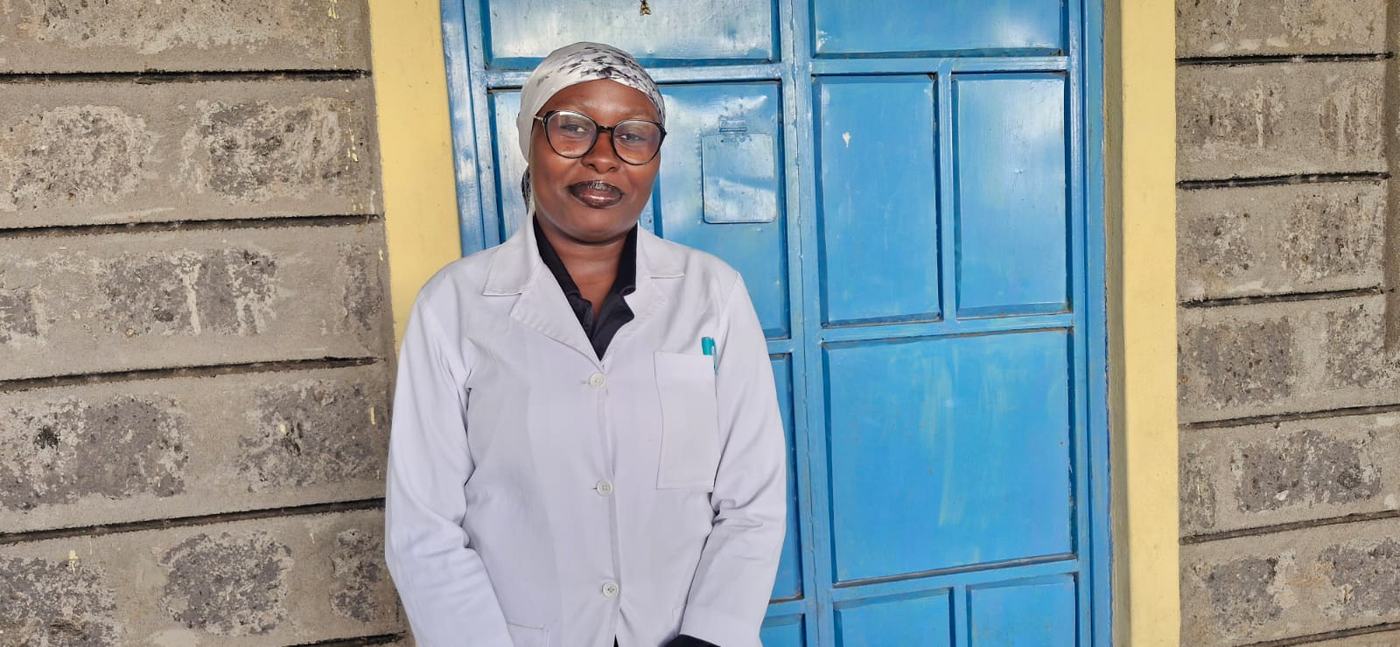
This isn't about bringing outsiders in to do what local people cannot. The clinic is already serving its community. Your support provides the resources to strengthen what is already there, equipping local healthcare workers to serve more people and provide better care.
How to give
Fund a line of the renovation.
Give to a component
The wiring, the water treatment plant, the septic system, the generator, the bathroom complex, the staff housing. Every line is costed above, and a larger gift can underwrite a whole component and carry a name if you would like one.
The smallest line is $10,000 and the largest is $52,000. If you would rather fund one thing completely than give toward the whole, that is the list to choose from.
Why we ask for funds, not goods
Equipment is generously covered by a partner organization. What we lack is the money to put it to work. Shipping donated equipment to Kenya, paying import duty on it and rewiring it for Kenyan power often costs more than buying the same item there.
A gift of money goes further, and it goes into the building work that has to happen before any of that equipment can be used.
Questions
About the clinic
Who runs the clinic?
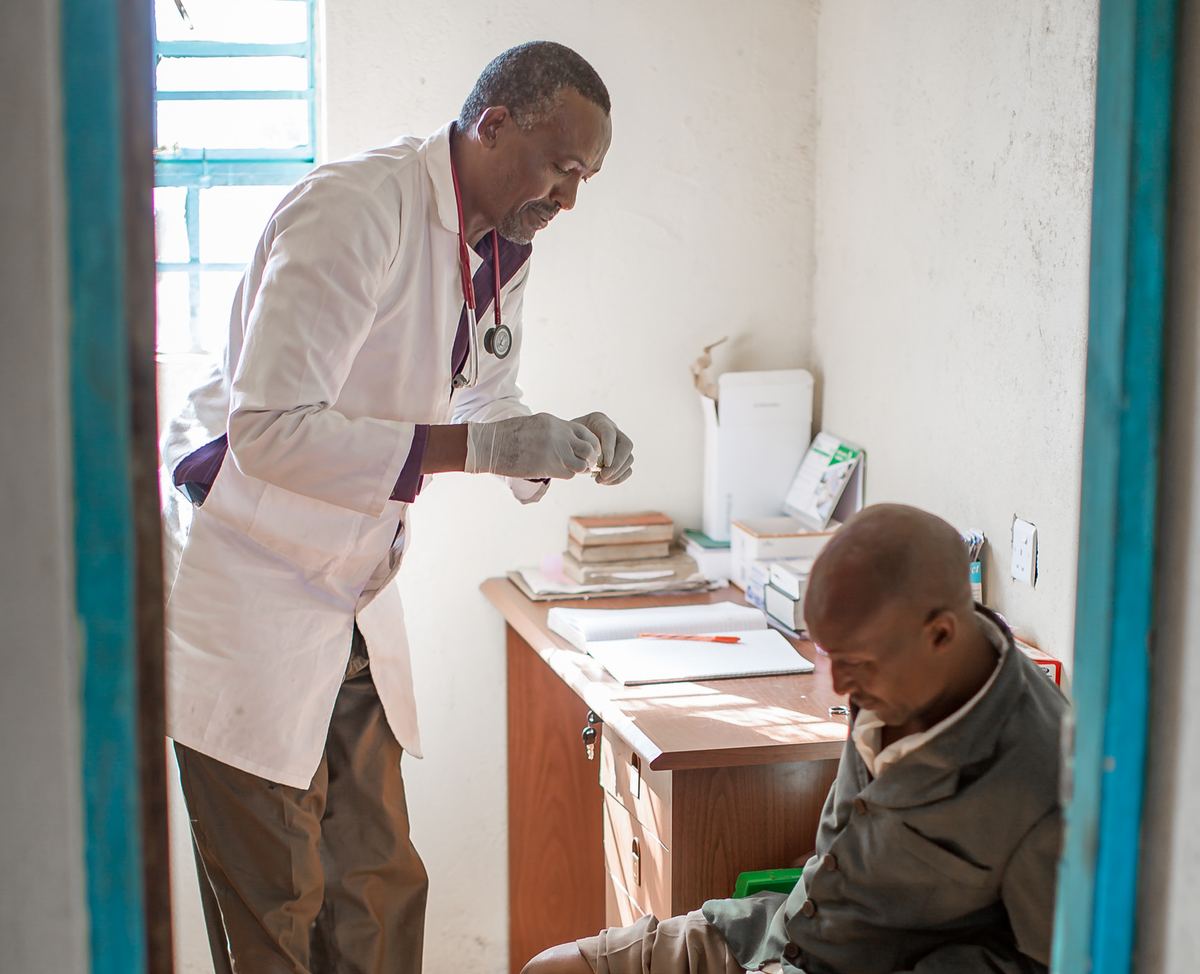
Kenyan staff. It was founded in 2016 by Dr. Moses, a licensed physician who has since retired. Mission Maasai maintains the facility, pays the staff and pays for the medicine and equipment; the care itself is delivered by Kenyan healthcare workers.
What does the clinic treat?
Preventative care, urgent care, family medicine and pregnancy assistance. The kind of care that stops a small illness from becoming a life-threatening one. Before the clinic existed, the nearest alternative was hours away over rough road.
Will the renovation interrupt care?
No. The clinic stays open and keeps seeing patients throughout. The work is planned around the people who depend on it, because for many of them the next option is hours away over rough road.
What will the clinic be able to do afterwards that it cannot do now?
Diagnose on more than symptoms. Reliable power runs blood analyzers, ultrasound and monitoring equipment, none of which the clinic can use today. Compressed air and suction make dentistry possible for the first time in the region. Purified water, sterilization, machine washing, better lighting and new flooring raise medical safety across everything else the clinic already does. And a modernized clinic can host visiting specialists from elsewhere in Kenya and from the United States, which is not worth their trip today.
How much does the renovation cost?
$200,000 for the whole job, itemized above and built from real quotes. A renovation on this scale rarely lands exactly on its estimate, so the budget carries a contingency. If it is not needed, it goes into the work.
The clinic is already serving its community.
Help us give the people running it what they need.
Give to the clinic