
Empukani Seminary
A recognized extension campus of Kenya Baptist Theological College, delivering KBTC's one-year Certificate of Theology to men already leading Maasai churches, one week a month, for twelve months.
The training
A one-year course, taught by KBTC.
Maasai pastors are leading congregations across the region, most of them without formal training. Not for lack of ability, but because there has been nowhere within reach to get it. That is what this school exists to change.
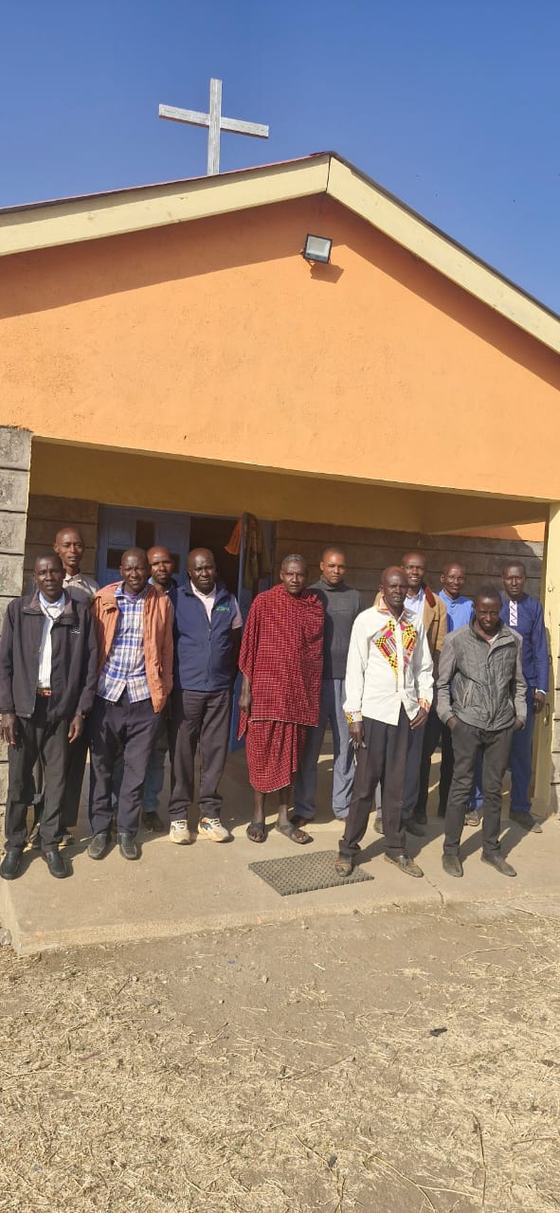
Empukani Seminary is a recognized extension campus of Kenya Baptist Theological College. KBTC sets the curriculum, sends the professors, examines the students and awards the certificate. Completing the course gives a graduate the credentials required to apply for a pastor's license from the government of Kenya.
This is also what sets the pace of everything else. Our evangelism teams start congregations faster than men can be trained to lead them, and the limit on how fast this network grows is the number of church leaders who are capable and qualified. That is why the seminary sits at the center of the plan rather than at the edge of it.
- Awarding body
- Kenya Baptist Theological College
- Our status
- Recognized extension campus
- Program
- Certificate of Theology, KBTC's one-year course
- Enables
- Eligibility to apply for a pastor's license in Kenya
- Faculty
- Professors sent by KBTC
- Location
- Empukani, Kajiado County
The course
Formal training for church leaders.
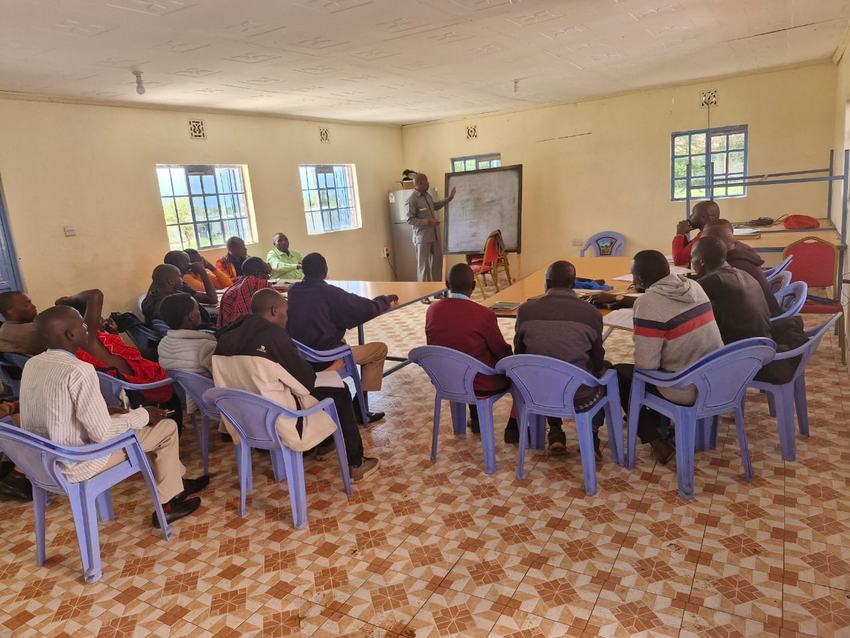
Our students are already leading churches and providing for families. They cannot leave for a year, so the college comes to them: one week in residence at Empukani each month for twelve months, with ministry carrying on at home in between.
What they study
The Certificate of Theology is KBTC's one-year foundation program. In the college's words, it gives students "a strong foundation in the Bible, Christian theology, and ministry," and is built for "church workers, lay leaders, and those exploring a calling to Christian ministry" who need "essential biblical knowledge and practical ministry skills."
That describes our students, except for one line of it. They are not exploring a calling. They are already carrying one, in front of a congregation, every week. The course gives them the grounding to carry it well.
What it costs them, and what we cover
Pastoring here is a volunteer calling. A Maasai pastor provides for his family the way his neighbors do, with cattle and goats, so a week away each month is a week of that work not done by him.
KBTC brings the teaching. What we can do is make sure the journey, the meals and the bed are not one more thing he has to find:
- Transportation: students travel from across the Maasai lands, twelve times a year
- Food: every meal, for every student, for every week of residence
- Lodging: a place to sleep for the week
- Facilities: the campus itself, and keeping it running
Twelve round trips, twelve weeks of meals and beds. That is the gap we fill. These men supply everything else, including the year.
The gathering
Building unity around biblical teaching.
A Maasai pastor preaches and teaches, visits the sick, advises those who ask, helps the needy and carries the Gospel to the next village. It is a volunteer calling, carried out among people he has usually known his whole life.
These men hold to one another. They share burdens, ideas, successes and failures, and the working relationships they build here last.
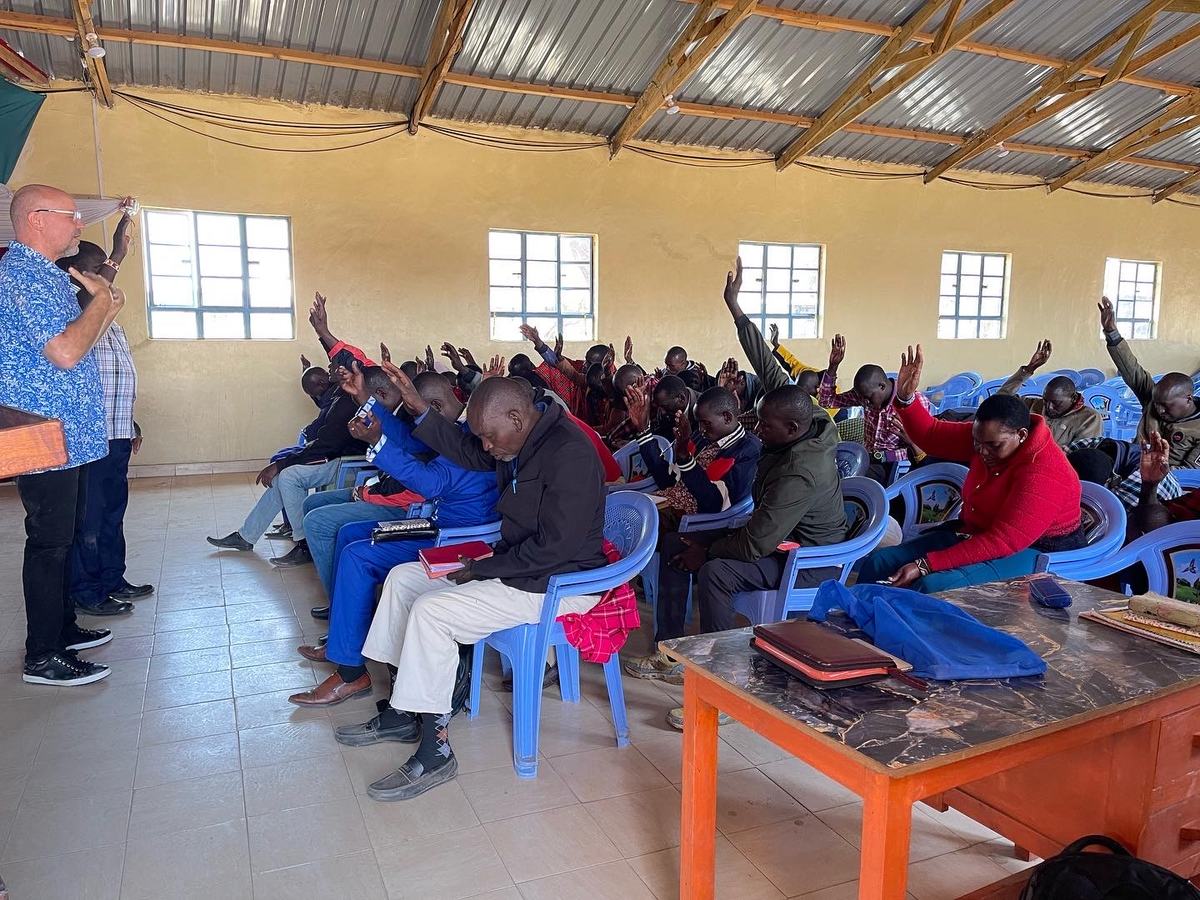
The week each month is where that gets built. They study the same texts, work through the hard passages together, worship and pray, and compare what is happening in their villages. For that week they are together around the clock, with one purpose and nothing else pulling at them. Agreement on what Scripture says is not assumed. It is worked out in the room, by men who will be preaching it on Sunday.
That is why the school strengthens the whole region and not only the men in it.
One teaching
More than fifty churches spread across a wide area, teaching the same Scripture the same way, because the men leading them worked through it in the same room.
Practice spreads
What works in one village reaches twenty others in a week: how to teach a passage, how to care for a family in trouble, how to reach a community that has been slow to listen.
The region strengthens
Churches that would otherwise work alone become a connected body, able to send help, share leaders and plant together.
Outcomes
Where graduates go.
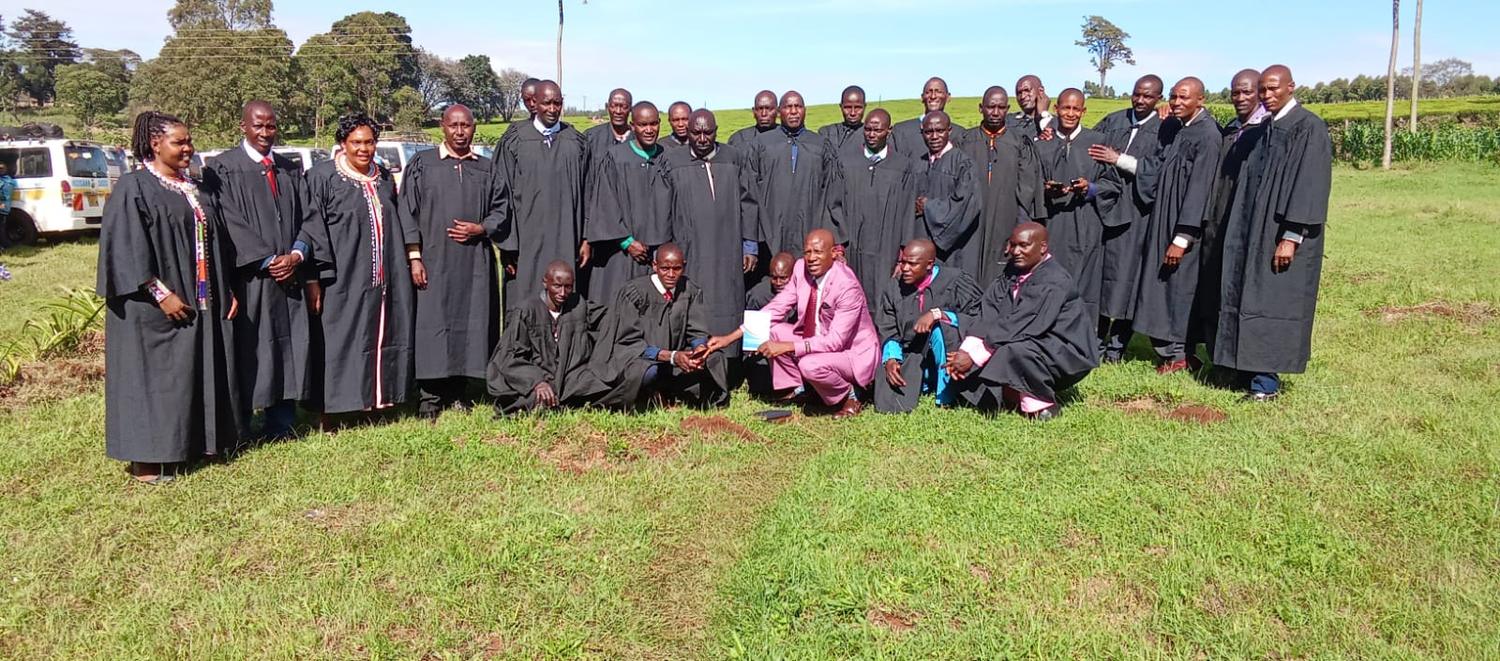
The school opened in 2024. Twenty-two pastors graduated in 2025, and twenty more are on track to graduate in 2026, forty-two men in the first three years.
Some graduates return to congregations they were already leading, now qualified and better equipped to teach.
Others plant new churches in parts of the Maasai lands that have none. This is where much of our church building comes from, and why we are now completing roughly one a month.
What it buys
A room, a teacher, and twelve months.
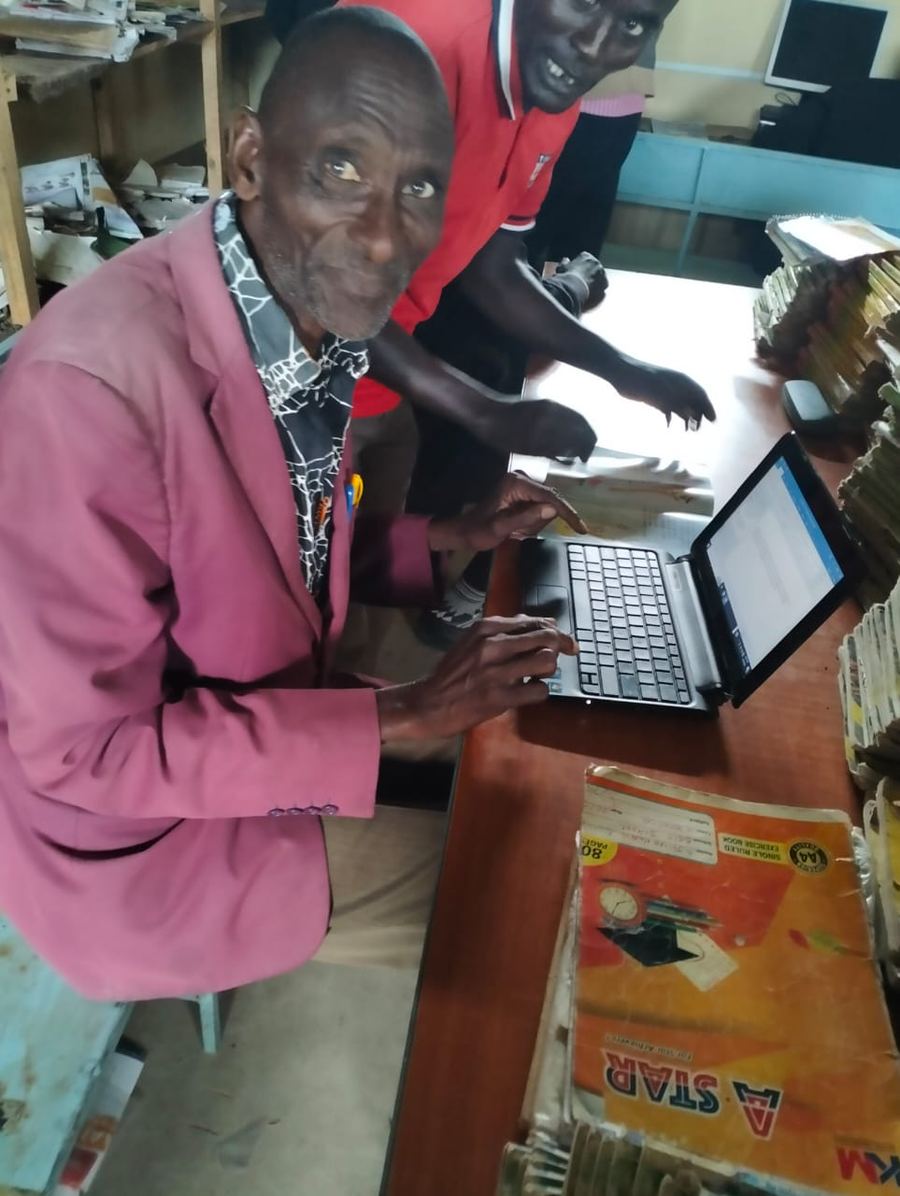
A well produces a photograph of water. A seminary produces a man in a chair with a notebook, and then a congregation with someone able to teach it.
Training is the least photogenic line in this ministry and one of the most important. A roof is only worth building because someone was trained to preach under it.
Recurring, unglamorous, essential costs are exactly what an endowment exists to carry. That is why we are asking for one.
The vision
Empaluani.
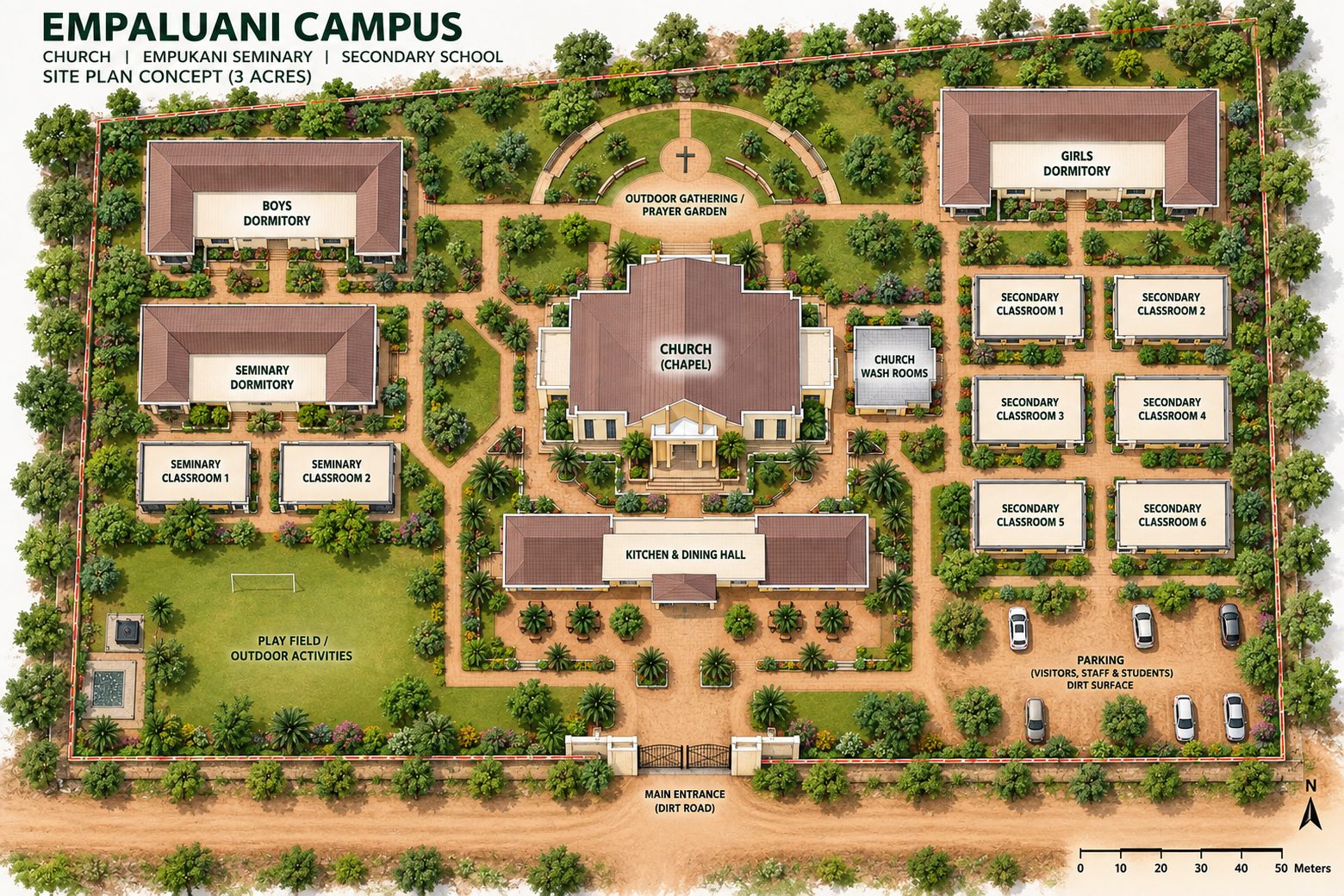
We have secured land next to Hope Shamba, at a place called Empaluani. The plan for it is a campus with a church at the center, a permanent home for Empukani Seminary, and a private Christian secondary school.
The order it gets built in
Ten years, in four stages. Each one is usable the day it opens, so nothing waits on the stage after it.
The church
The chapel at the center of the site. It goes up first, which is also where it belongs in everything else we do.
The seminary
Dormitory and classrooms, so the school has a permanent home of its own instead of borrowed rooms.
Kitchen and dining
A cohort in residence has to be fed. This is what makes a week at Empaluani possible for men who come from a long way off.
The secondary school
A private Christian boarding school. Today we send students to other schools as our budget allows. In time one of them would be ours.
Where it stands
The land is secured and we are in the design phase. There is no budget yet. We would rather say that plainly than publish a number we cannot stand behind, and we will publish one as soon as we can.
If you want to be part of this early, before there is a campaign page and a thermometer, that is a conversation we would like to have.
Why the seminary moves
Empukani Seminary keeps its name. What changes is that it stops borrowing space and gets classrooms, beds and a kitchen built for it, next to the farm that already feeds the work.
Empaluani is the ten-year plan. The endowment below is what keeps the school running in the meantime, and after it moves.
The endowment case
Fund it once, and it keeps running.
A building can be finished. Operating costs never are. An endowment turns the seminary's recurring costs into a permanent base and takes the program off the annual fundraising cycle altogether.
$41,520 is what a year actually costs: transport, food, lodging, the professors KBTC sends, and the evangelism teams that go out from the school each month. Change any figure to model a different gift.
Why an endowment rather than an annual gift
Each cohort is a twelve-month commitment to men who leave their villages once a month on our assurance that the transport, the food and the bed will still be there in month eleven. An endowment makes that assurance structural. It means:
- Cohorts can be committed years ahead, because the funding does not have to be raised first.
- KBTC can plan its faculty schedule against a campus that will still be operating.
- Our fundraising stays on buildings, wells and sponsorship, instead of competing with the training that makes them worth building.
- The cost per pastor falls as cohorts fill reliably.
- The pastor network compounds, since each cohort adds another twenty or so men to a fellowship that already spans the region.
What a founding endowment gift creates
A named endowment for Empukani Seminary would be the first permanent funding in this ministry's history, supporting the program the others depend on.
Talk to us directly
Andrew Gwynn, Executive Director, will provide financials, the seminary operating budget, our KBTC affiliation documentation, cohort rosters and graduate outcomes, whatever due diligence requires.
Request the full proposalOther ways to support the seminary
Short of an endowment.
A year costs $41,520, or $3,460 a month. That covers transport, food, lodging, the professors KBTC sends, and the evangelism teams that go out from the school each month.
Underwrite a month of seminary
A week of residence for the whole cohort, and that month's evangelism teams going out.
Give thisFund a full year
A complete twelve-month class, start to certificate, and twelve months of evangelism with it.
Give thisBoth go to the same place. You will see how much of the year is already covered before you give, and you can change or stop a recurring gift yourself at any time.
Due diligence
Questions a funder asks
Is the certificate actually recognized?
Yes. Empukani Seminary is a recognized extension campus of Kenya Baptist Theological College, and the qualification, KBTC's Certificate of Theology, is awarded by the college, not by us. It makes a graduate eligible to apply for a pastor's license in Kenya. We can provide our affiliation documentation on request.
Is this a KBTC program or a Mission Maasai course?
It is KBTC's program. The Certificate of Theology is the college's own one-year foundation course, taught to the same standard here as anywhere else it is delivered. Our contribution is logistical: we make it possible for men in the Maasai lands to sit it.
Who teaches?
KBTC sends its professors to Empukani. The curriculum and academic standard belong to the college. Mission Maasai's role is logistical and financial: transportation, food, lodging and facilities.
How are students selected?
Candidates are recommended by pastors already serving in the network, and approved through the Kenyan leadership structure. Each student is then assigned a mentor who has completed the course himself, leads a church of his own and mentors others. Most students are already leading a congregation when they begin.
What is the completion rate?
Nearly every man who begins the year finishes it. One or two in a class step away before the end, usually because of what they carry at home, or because a year of study clarifies a calling that lies somewhere other than leading a church. We count that as the course doing its work rather than failing at it.
How would an endowment be governed?
The terms are not set. Custody, the annual draw, the reporting schedule and any restrictions on the principal would be agreed in writing with the donor who funds it, and we would hold ourselves to them. We would rather build that agreement with the first major donor than publish terms we decided by ourselves.
Twenty-two graduated. Twenty more are in class.
Every cohort needs the same twelve months paid for.
Give to the seminary