What We Do
Five areas. One purpose.
We are a church-planting ministry. We are also, of necessity, a water project, a clinic, a school, a farm and a food distribution, because the people we're preaching to live in a place where those things are scarce.
Spreading the Gospel and Growing the Church
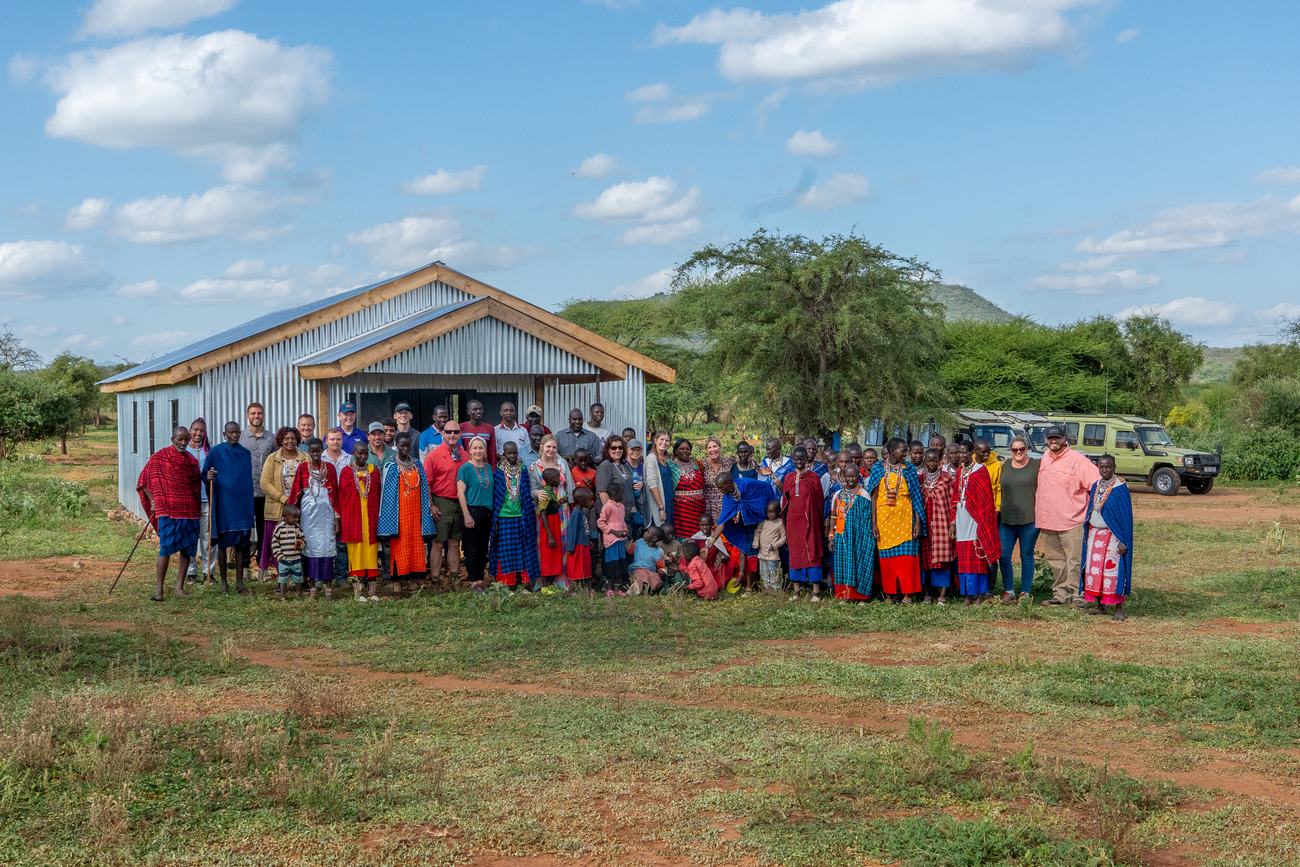
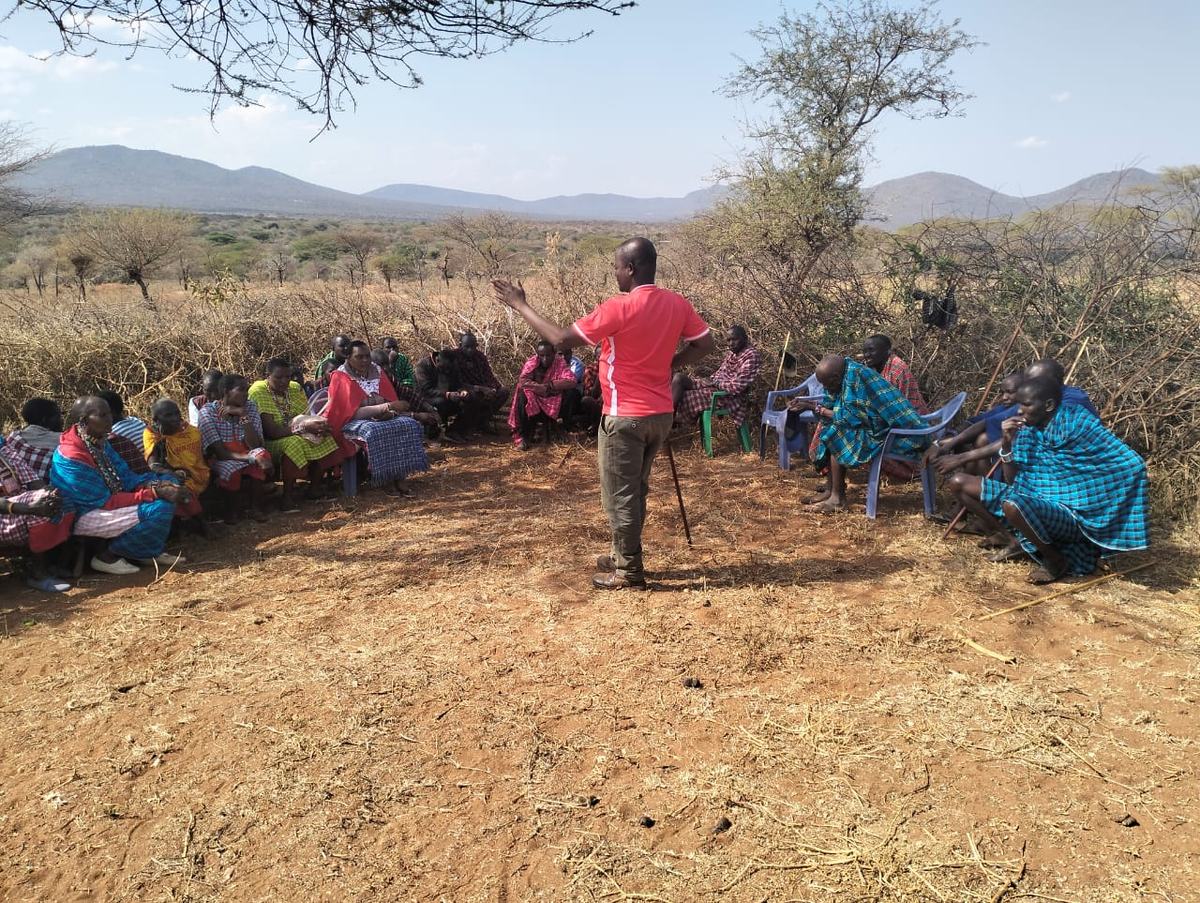
The area we work in, in Kajiado County, Kenya, is home to about 75,000 Maasai, and the goal is a church within walking distance of every one of them. More than fifty congregations meet today and more than forty have a building. The rest still gather under shade trees, which is how every one of them started, including the first.
Evangelism
This is the one part of the work that genuinely does not happen without funding. The villages are too far to walk to from where our teams live, and a man who herds for a living cannot be away for days unless someone is paid to watch his cattle. So we cover transport, food, and a small per diem that makes the absence possible. Each month about forty pastors go into a new area, split into teams and walk house to house. Often the gathering they invite people to becomes a church under a tree.
Church planting
New congregations are started every month by our evangelism team. One becomes a church plant when the seminary sends it a pastor, and we back him with training, resources and the practical support that lets him stay in the village.
Church construction
Once the congregation is established (around 50 people), the pastor requests a building. $8,500 covers the whole thing. It is a sum no herding family can raise and a modest one to a church in the States, which is the whole reason this works. Every building in the network began as a group meeting under a tree.
Empukani Seminary
A recognized extension campus of Kenya Baptist Theological College, which sets the curriculum, sends the professors and awards the certificate. Our part is logistical: making it possible for men who already lead churches to study one week a month for twelve months, instead of leaving their congregations for a year. Twenty-two graduated in 2025, another cohort is in class now, and the men who finish are where much of our new church planting comes from.
Pastor conferences
Gatherings that bring the network together for teaching, encouragement and planning, a week at a time.
Education
Investing in the hearts and minds of the next generation of Maasai leaders.
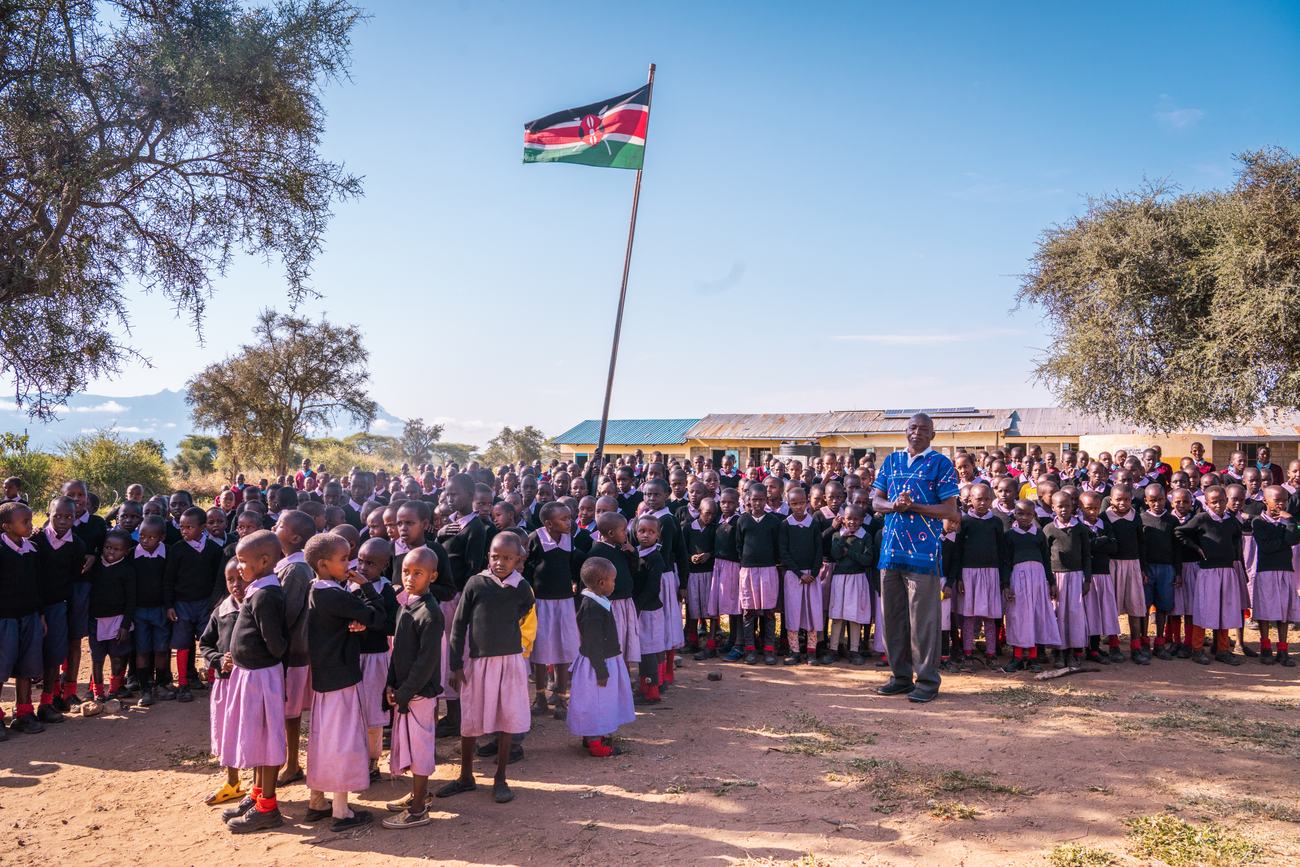
When we started the daily feeding program at the school in Empukani, 120 children were enrolled. There are more than 400 today, and the school's test scores are the best in the region. Children walk as far as five kilometers (about three miles) to get here, because what they need to learn is here.
The school in Empukani
A meal every school day, uniforms, shoes and supplies. It is a universal truth that children learn best with proper nutrition, well resourced teachers, and involved parents. Our part of that is $30 a month per student.
Secondary school scholarships
Secondary school in Kenya is grades 10 to 12 at boarding school, and places are earned on national exam scores. Students who can't pay go back to the herds instead. $75 a month sends one of them, and we send as many as the budget allows.
Healthcare
Real care, in a place that had none.
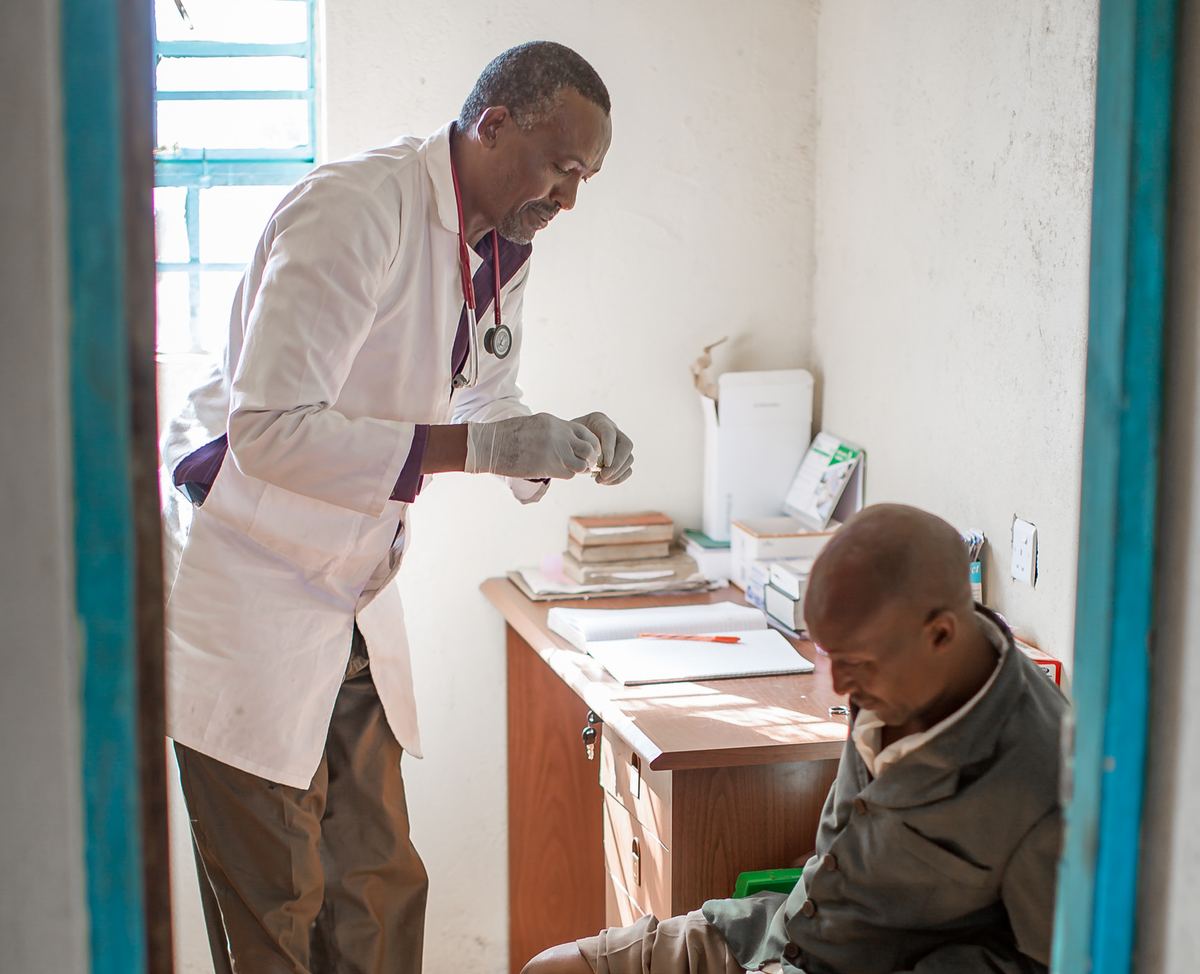
The Empukani Medical Clinic opened in 2016 and provides primary care to the families living around the church, the school and the seminary. Before it existed, the nearest care was hours away over rough road.
Empukani Medical Clinic
Founded in 2016 by Dr. Moses, a licensed physician, now retired. It is licensed as a Faith Based Level 3B Health Centre and provides preventative care, urgent care, family medicine and pregnancy assistance. The kind of care that stops a small illness from becoming a life-threatening one.
What we cover
Mission Maasai maintains the facility, pays the staff, and pays for the medicine and the equipment. This is a private clinic and it has had no government support. Keeping medicine and consumables in sufficient supply is one of the largest items in the budget.
Dignity for women & girls
Feminine hygiene supplies are a small line item with an outsized effect. Without them, girls often miss school, and an education interrupted month after month is hard to make up.
Where it is headed
The goal is a clinic that sustains itself, working within Kenya's national health insurance model as that model develops. Until then the running costs are ours.
Hope Shamba
Teaching a herding people to farm.
The Maasai are herders. When drought kills the cattle it takes the food and the income at the same time. Hope Shamba is our answer to that: a working model farm, and a curriculum in the making.
The model farm
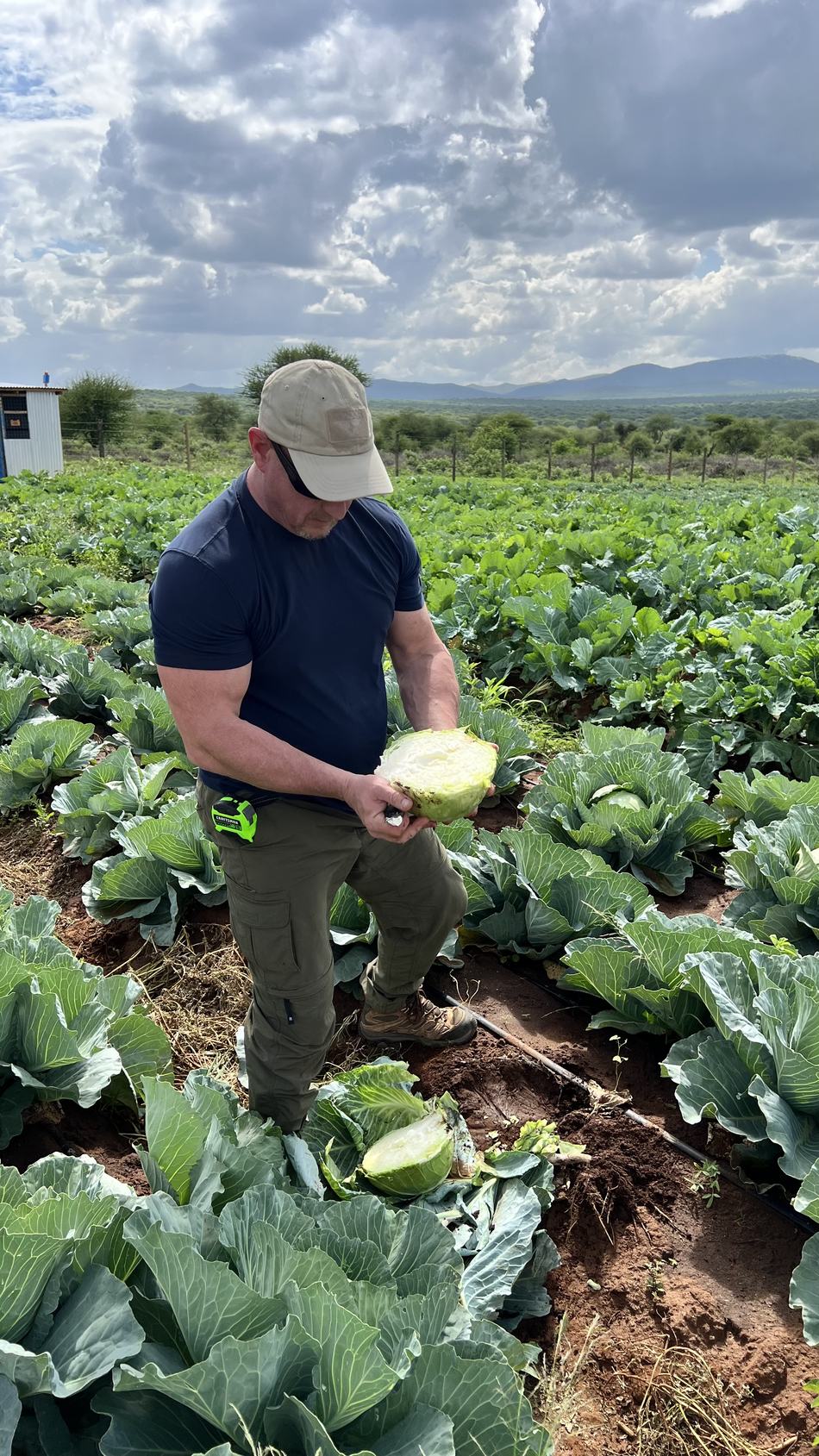
Our first major attempt to learn, and then teach, our Maasai brothers and sisters to grow food. Kale, cabbage, spinach, onions, corn and beans are in the ground, and the farm and its well are both funded and running.
Its own well
A second borehole serves the farm, so irrigation does not compete with the village's drinking water.
Teaching outward
What grows here is meant to be repeated on family plots across the Maasai lands. A herding family with a garden has something to eat when the herd is gone.
Economic Development and Physical Needs
We help where we are asked to help.
The Maasai have lived on this land a very long time and understand it far better than we ever will. Their economy runs on livestock. A family builds a herd over years and sells an animal when it needs cash, for school fees, for medicine, for whatever cannot be traded for directly.
Our friends here will tell you that the hard part of a drought is not only the cattle. When there is no grass, the livestock markets close as well, so the usual way of raising cash is shut at the moment it is needed most. It is a complicated problem, a good deal older than we are, and we would not claim to have the answer to it.
What we do is help where we are asked. Water and power, food in the worst of a drought, and support for the ideas people here bring to us for earning a living. None of it is an attempt to redesign a way of life that has carried families through harder seasons than any we have seen.
Clean water, and the power to move it
The Empukani borehole was completed in 2015: pump, generator, storage tanks, distribution lines and troughs for the herds. Hundreds of families draw from it. It is connected to Kenya Power now, which this far out on the line is unreliable, so a diesel generator takes over when the grid drops. There is an electric bill when the power is on and a fuel bill when it is not.
Keeping it running
Every building at Empukani is on the grid now, with solar backup. Panels, batteries, pumps and generators all need servicing, and batteries need replacing on a schedule. This is the least exciting line on the website and one of the most important. Anything we help build, we help keep running.
Drought and disaster relief
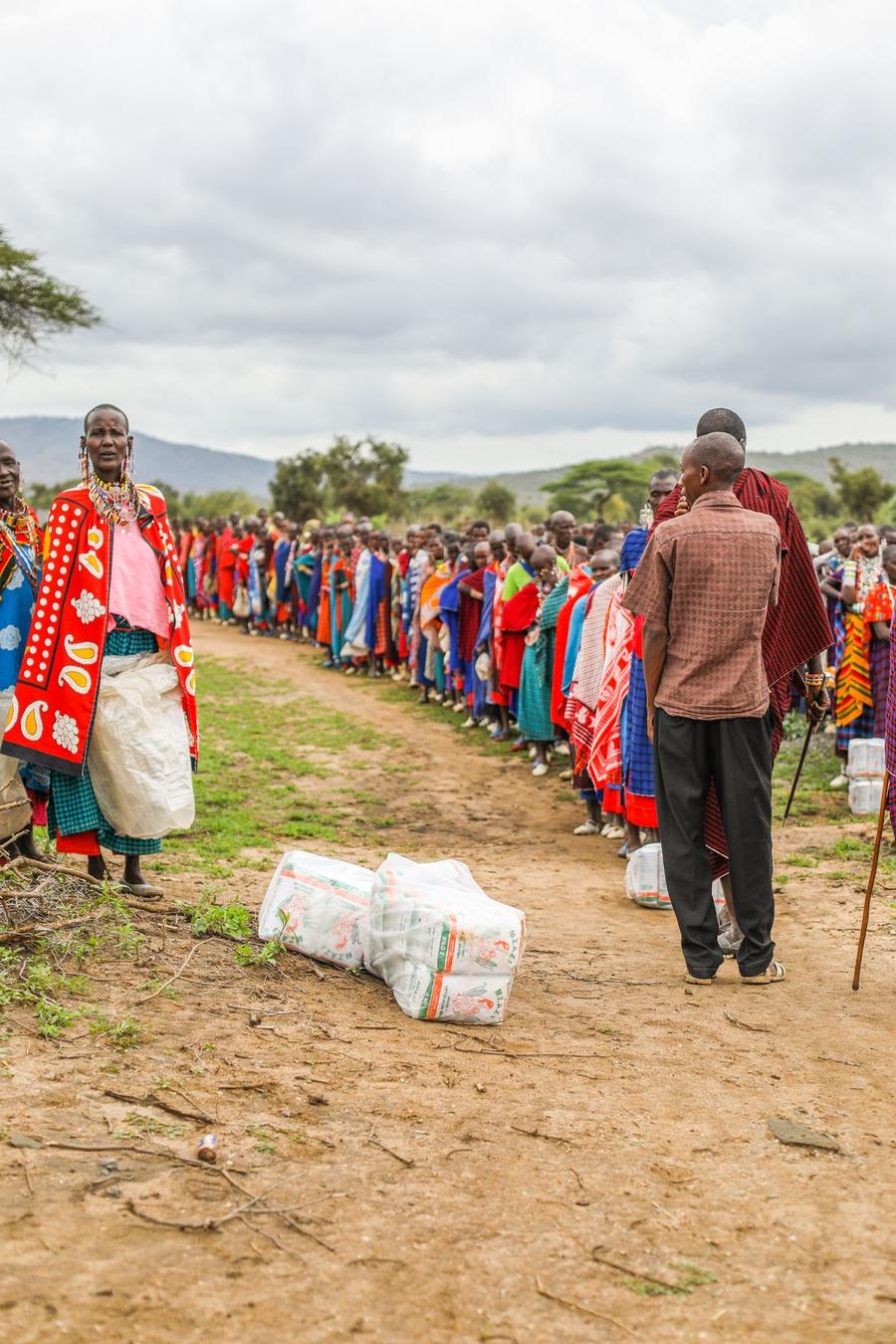
The dry season runs December to April. In the worst years we distribute a month of food at a time, every month, for as long as it lasts. In 2019 more than 600 families came to those distributions. We did the same through the COVID shutdowns.
Other ways to earn
The women here have made beadwork for generations, and we buy it. Hope Shamba pays wages and grows food. A sewing ministry is getting started. None of this replaces the herd and none of it is meant to. They are things people here wanted to try, and we were in a position to help.
Choose the part that's yours and fund it.
Give where it's needed most, or direct your gift to any one of these five.
Give now